
Brar Farms is a proposed community in the Southport area of West Sacramento. The plan includes 259 single-family homes organized into two residential villages connected by walkable streets, parks, and green space. The project complements and extends the established Bridgeway Lakes community.
The project is moving through the City of West Sacramento's review process for new neighborhoods and seeking project approval. The Brar Farms team is working closely with city staff and the community to ensure the neighborhood is thoughtfully designed, well-integrated, and responsive to local context.
Project review is being conducted in accordance with the City of West Sacramento's requirements and applicable environmental requirements.
60 Acre Site
259 Single-Family Homes
2 Residential Villages
Central Park + Recreation Basin
New Pathways & Trails
Traffic Calming & Road Improvements
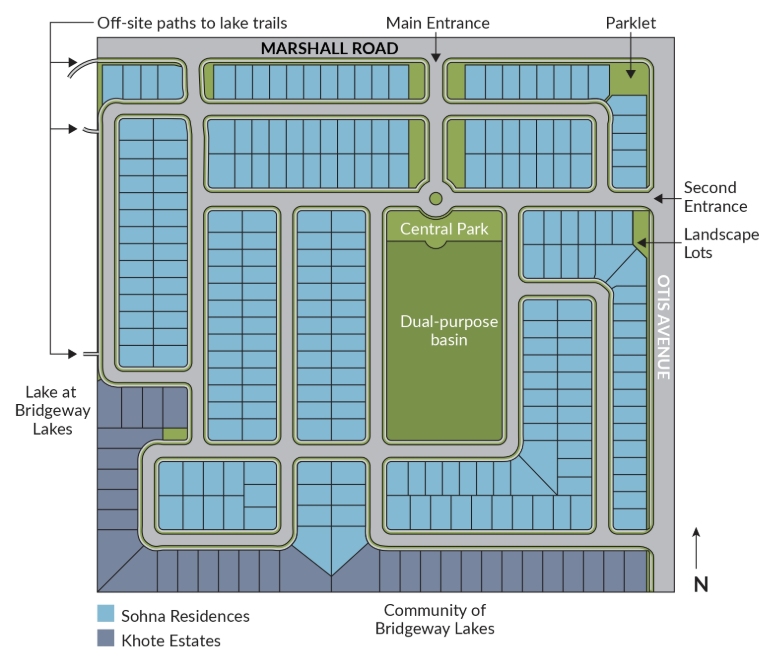
The Brar Farms neighborhood is planned on approximately 60 acres in the Southport area, bordered by Marshall Road and Otis avenues with Bridgeway Lakes to the south and the lake at Bridgeway Lakes to the east. The community includes 259 single-family homes organized into two residential villages, connected by walkable streets, parks, and open space.
Brar Farms Site Plan
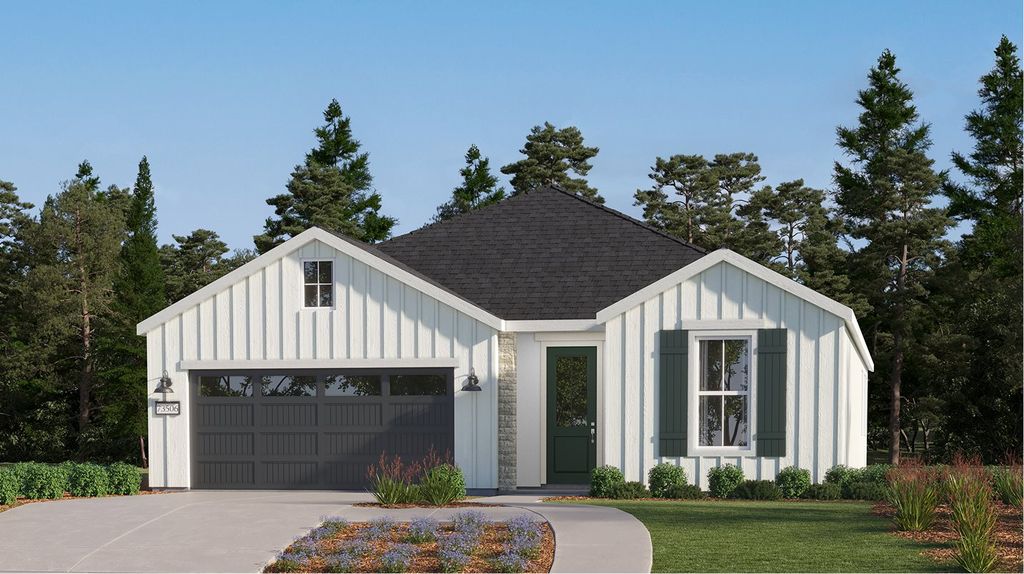
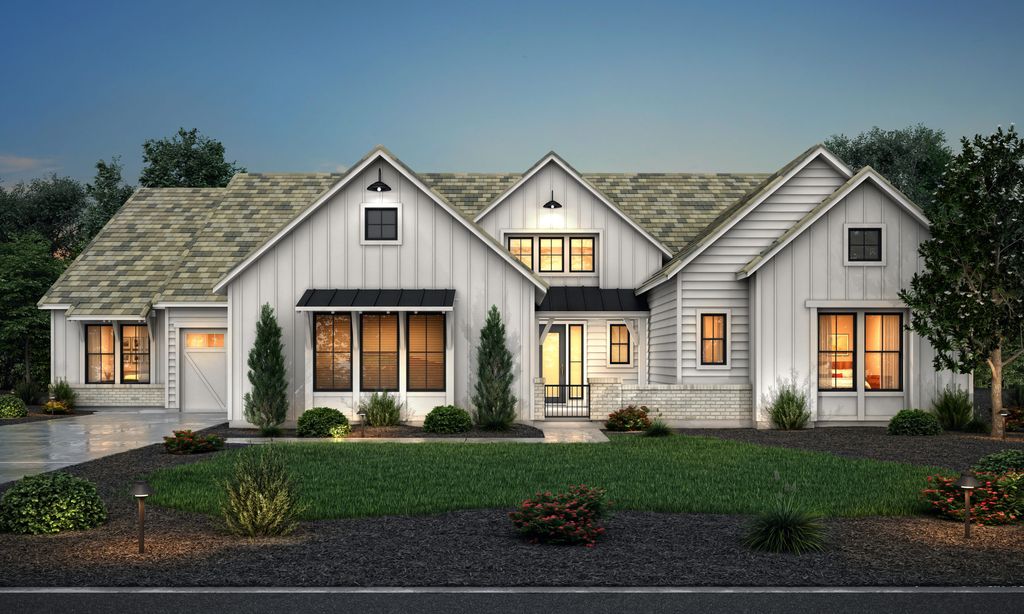
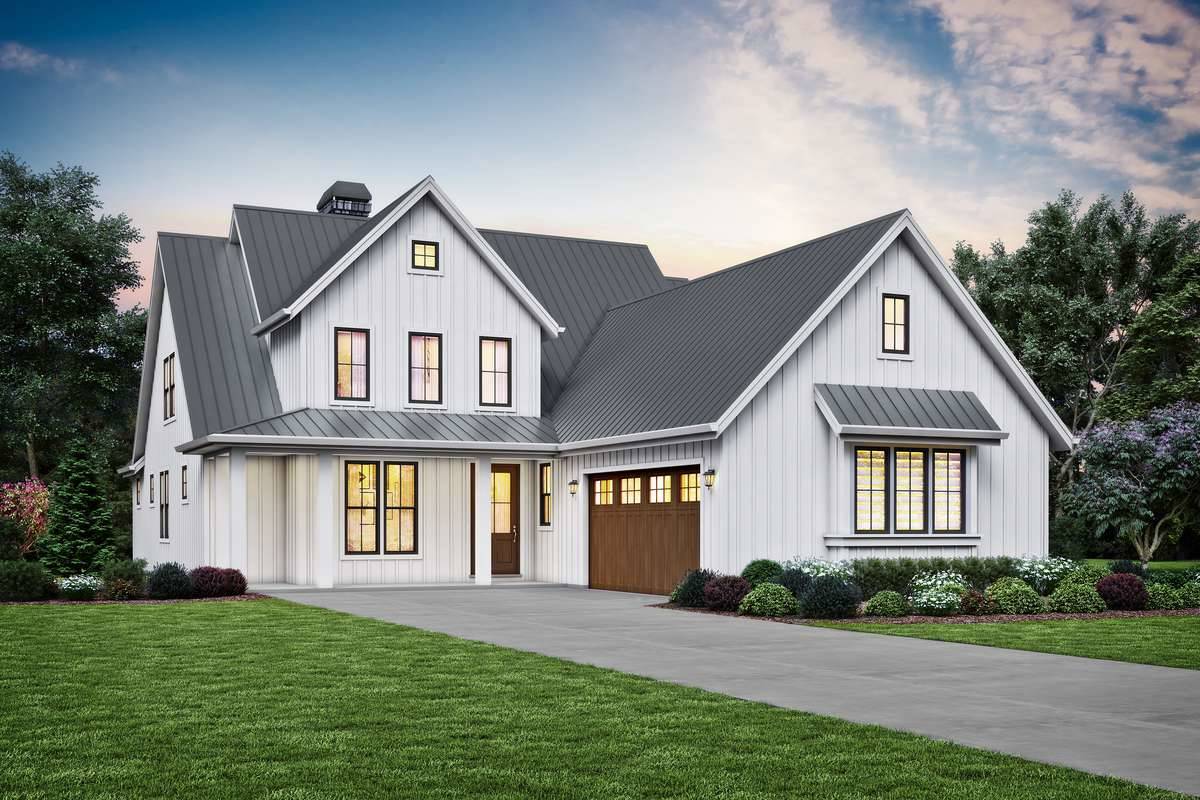
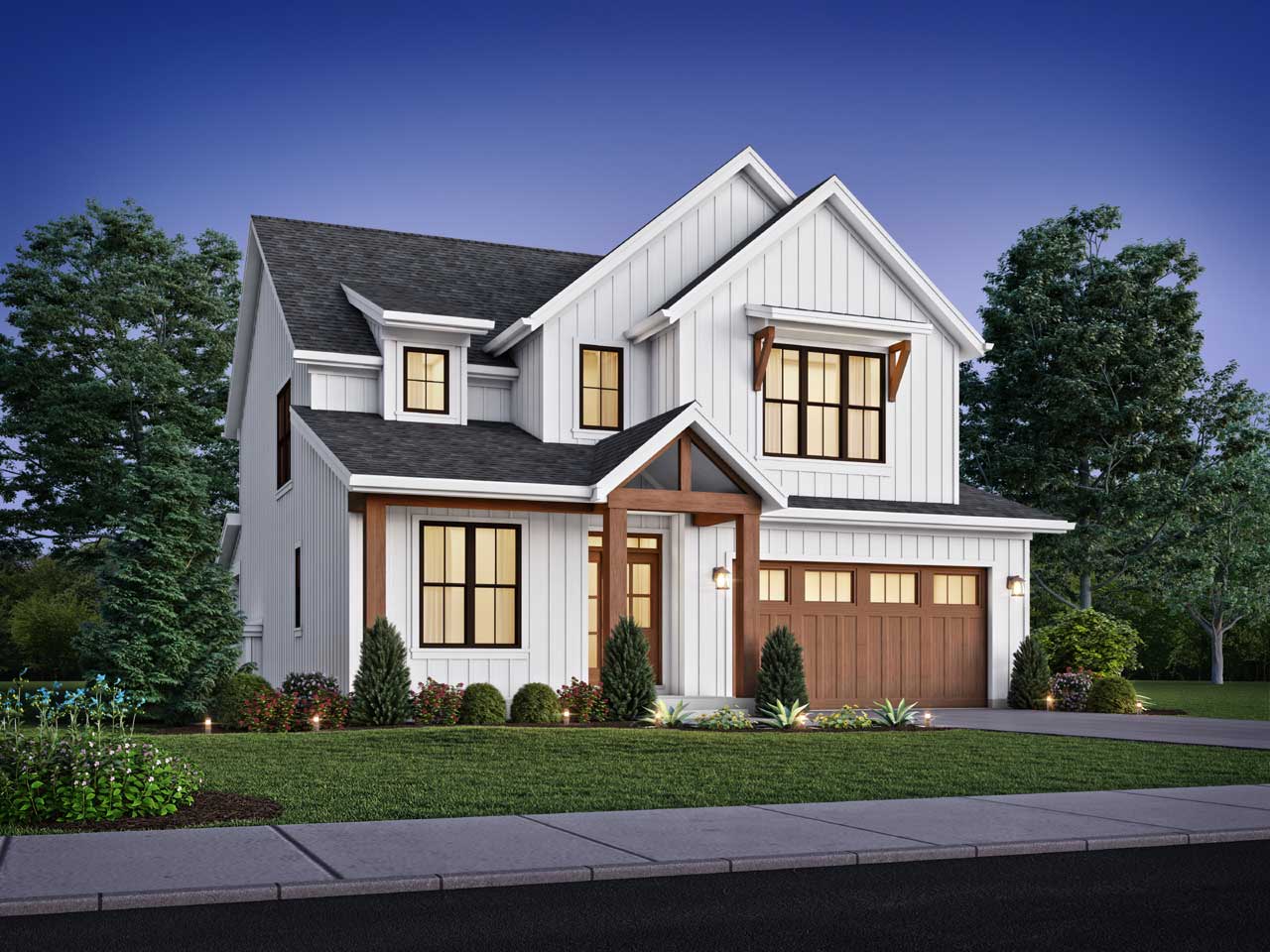
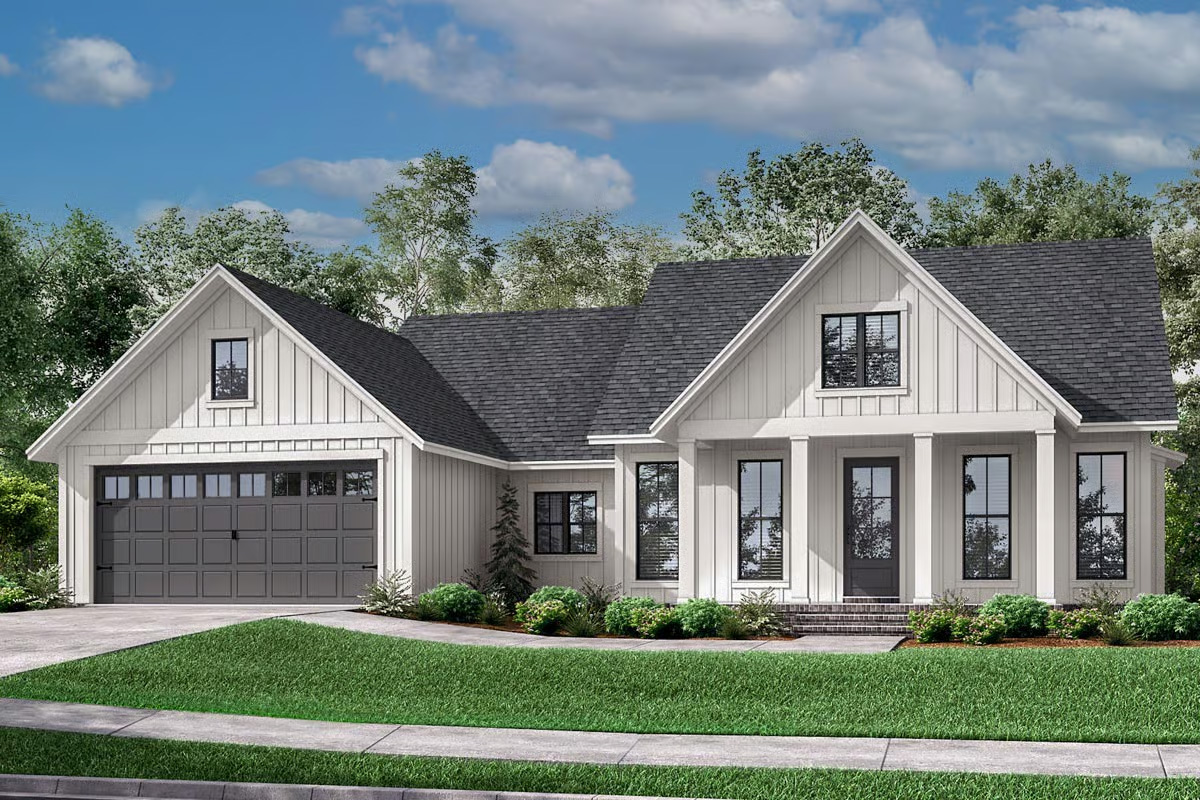
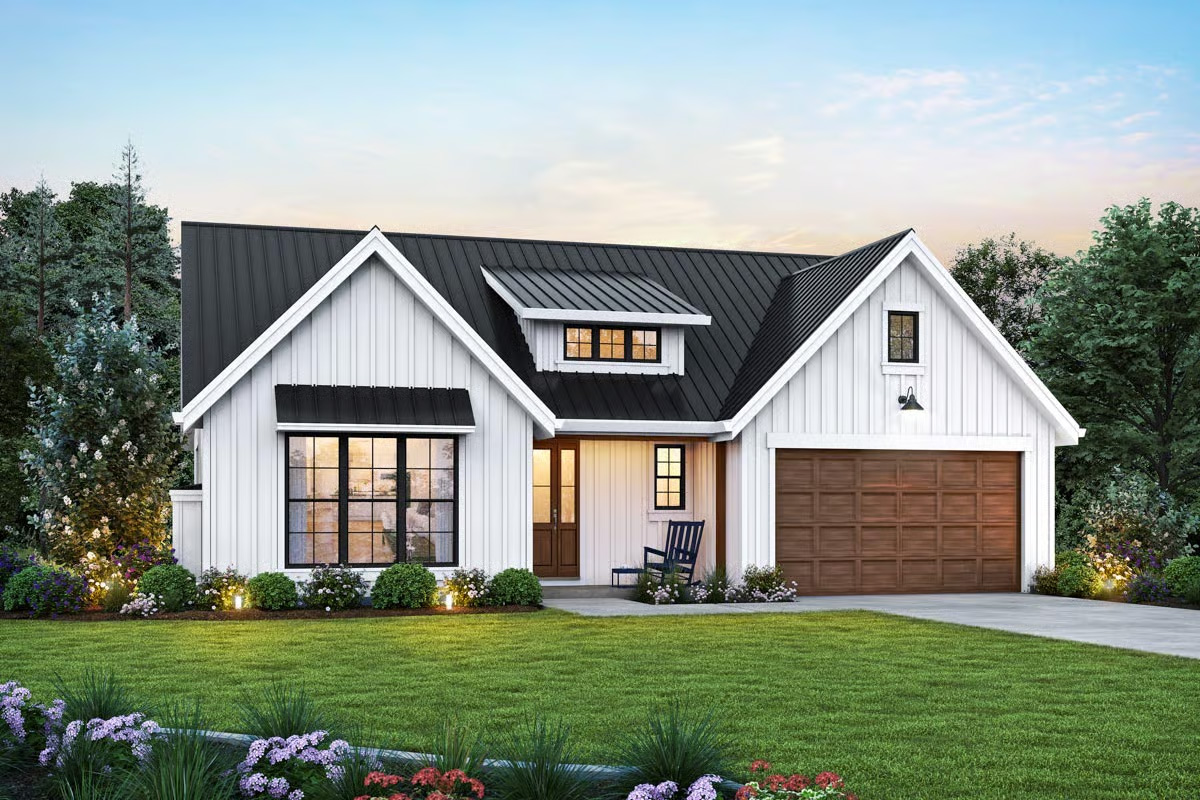
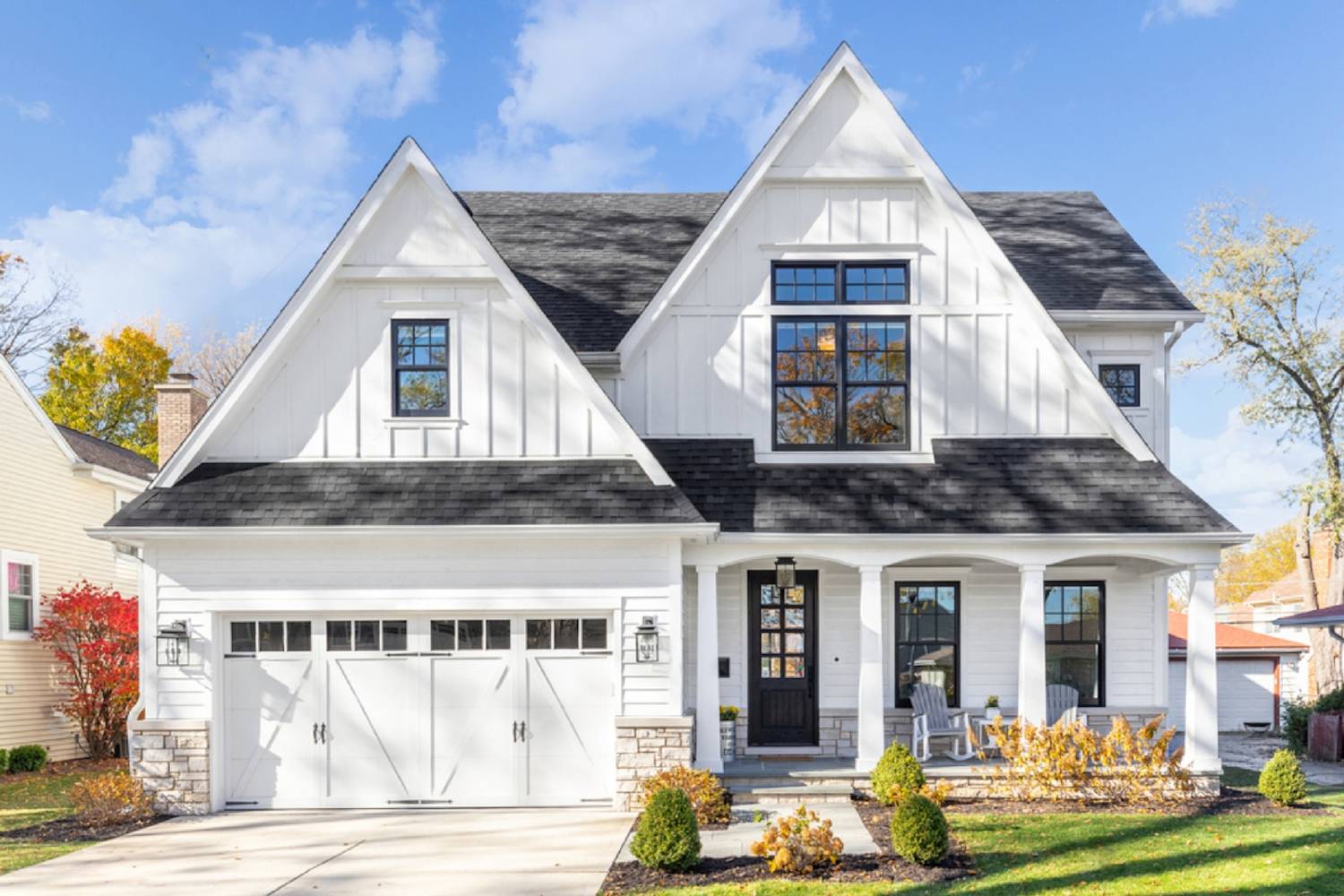
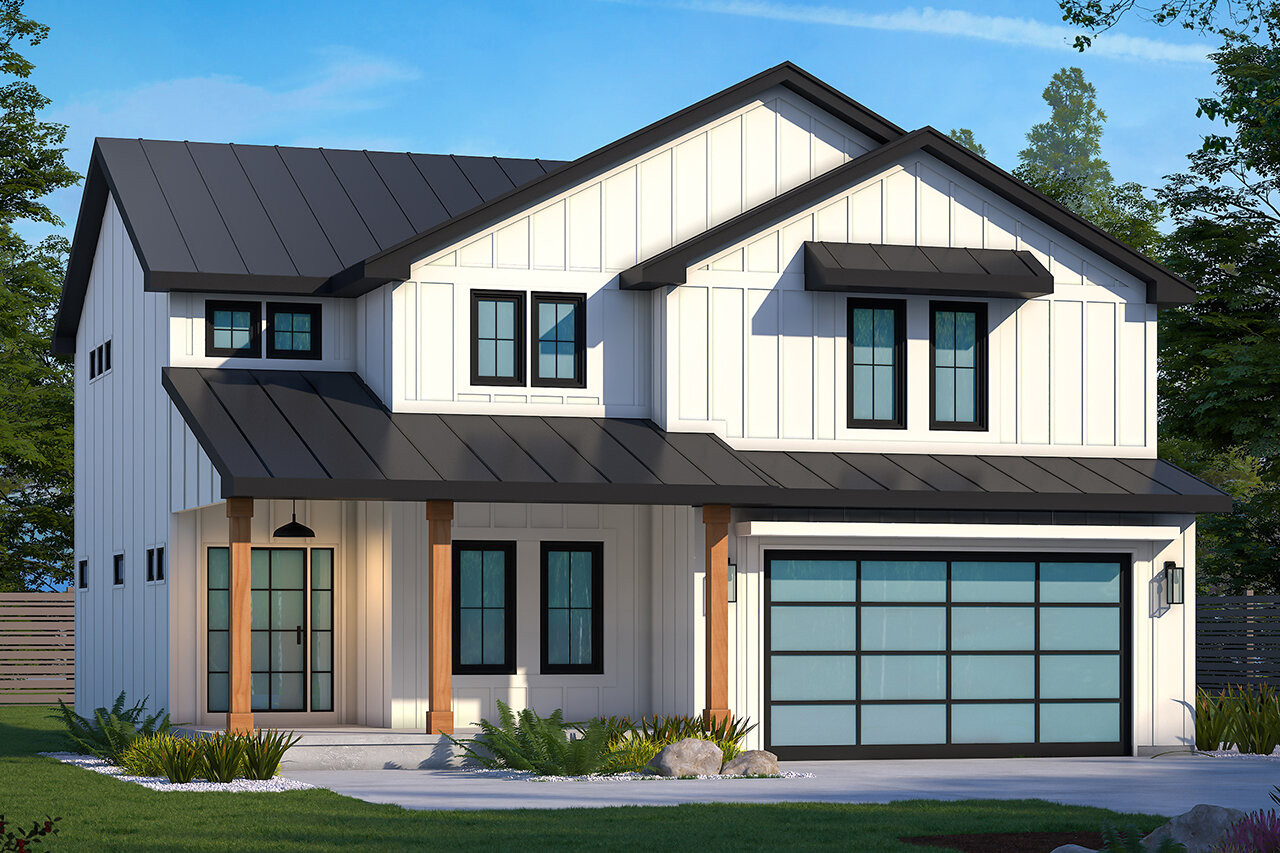
Brar Farms is intentionally organized into two distinct villages, providing architectural variety while respecting the established home styles of surrounding neighborhoods. The project carefully follows West Sacramento's design standards and incorporates specific measures to minimize potential impacts to adjacent neighbors. Design standards are also based on input from adjacent and nearby neighbors.
Design requirements are written directly into Brar Farm's draft design standards, which will be approved by City Council and be enforceable.
Single-story homes with double setbacks along shared property line with Bridgeway Lakes
Shielded, downward-directed street lighting to reduce light spillover
Landscape buffers and sound walls along Marshall Road and Otis avenues
No modern or incompatible architectural styles
The neighborhood is intentionally divided into two villages to provide variety while respecting existing homes. Brar Farms includes specific requirements written directly into the project's design standards to minimize impacts on surrounding homes.
Shaped by input from neighbors
Front Yard Typical Landscape Plans
Focus on consistency between Brar Farms and the existing community:
Natural materials required
No modern or flat-roof designs
Garage placement rules to avoid garage-dominated streets
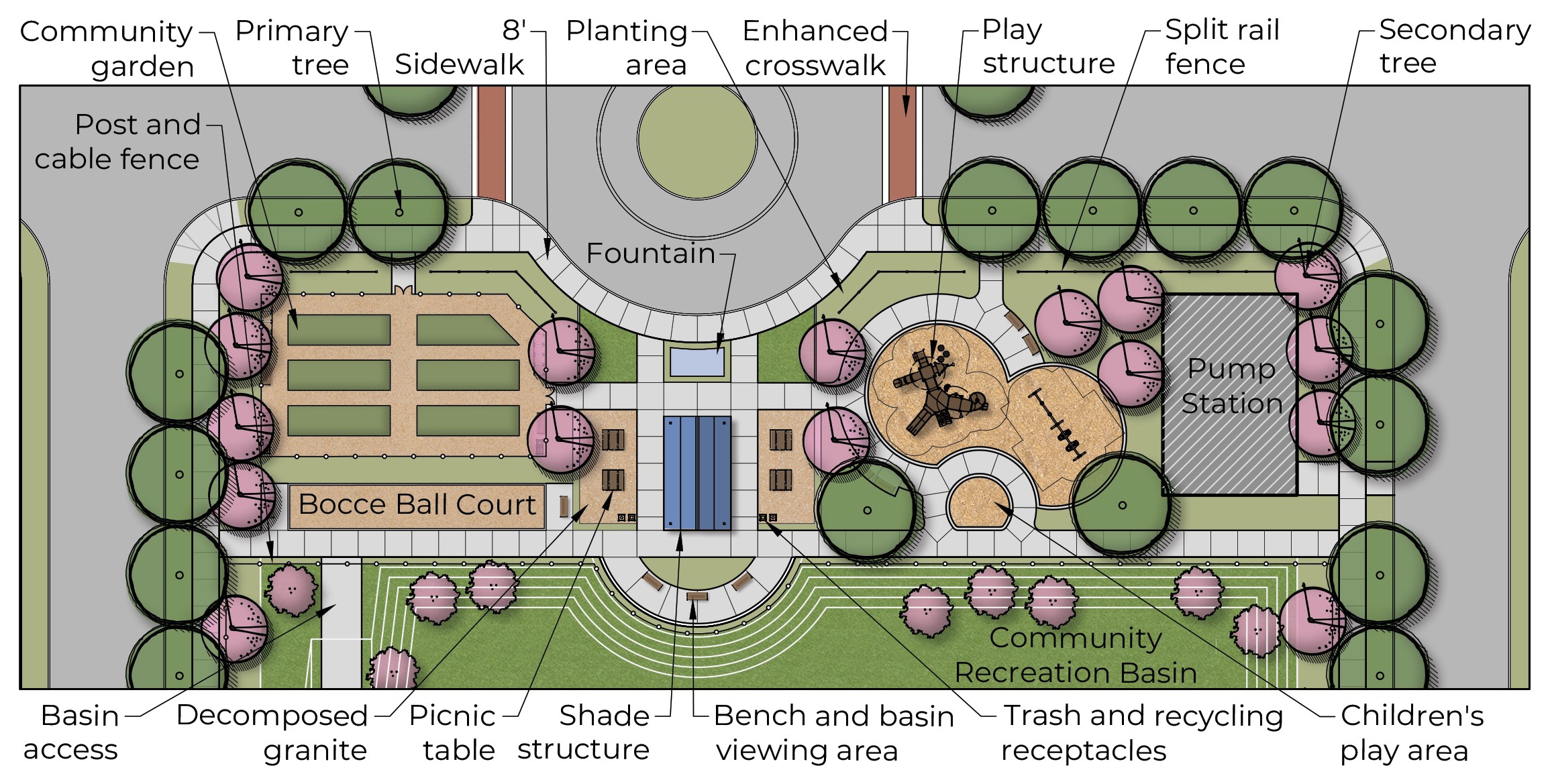
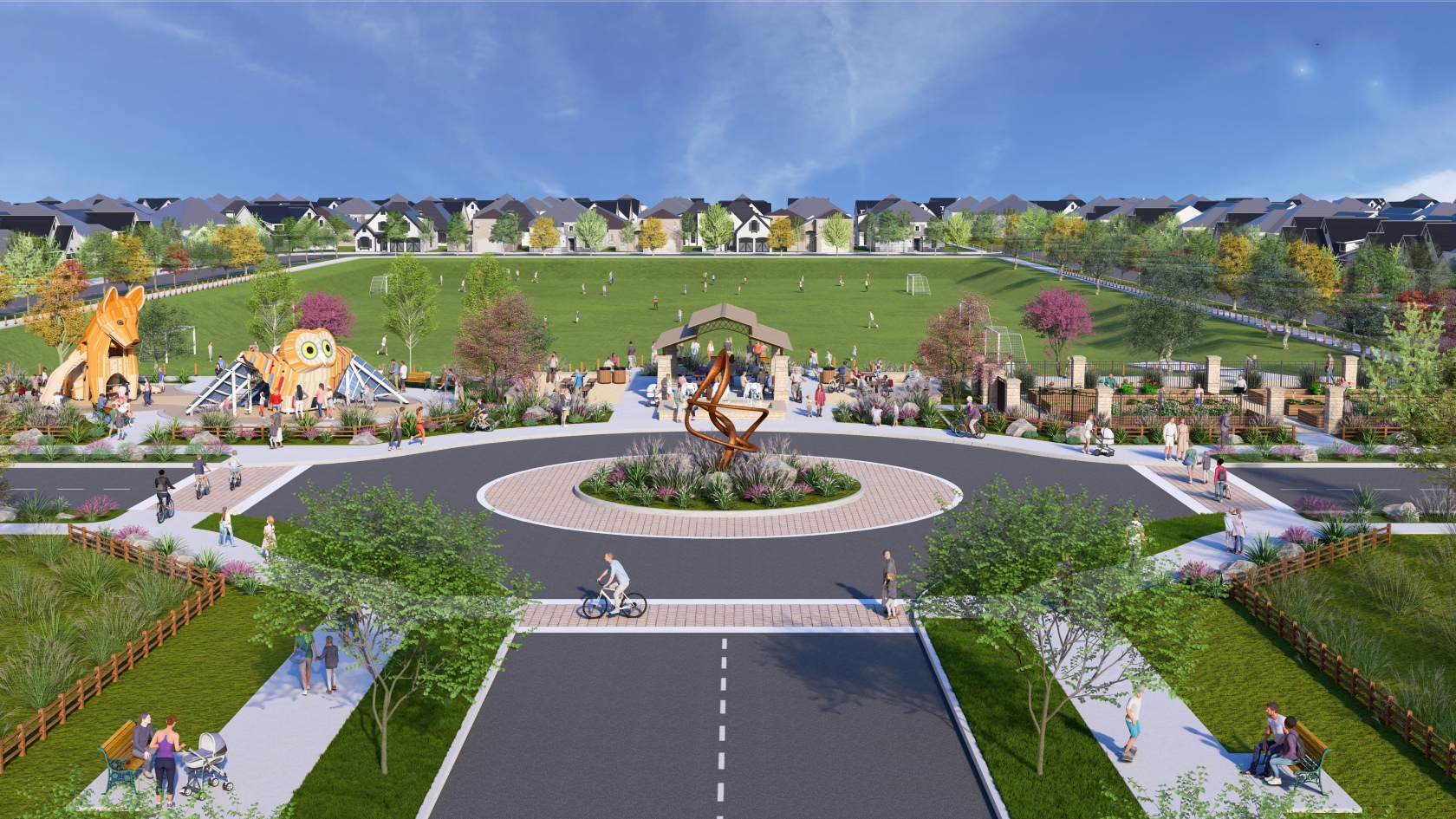
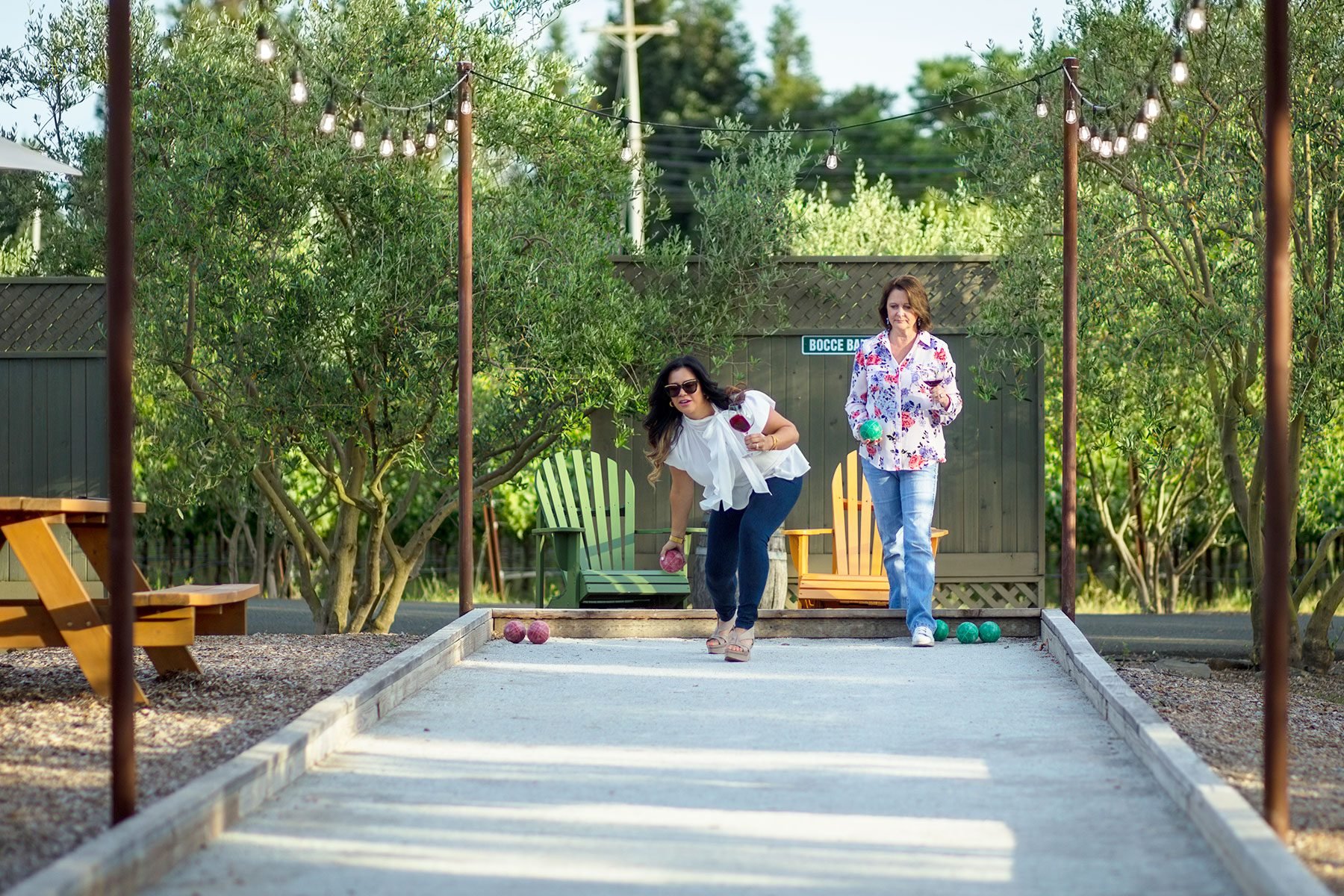
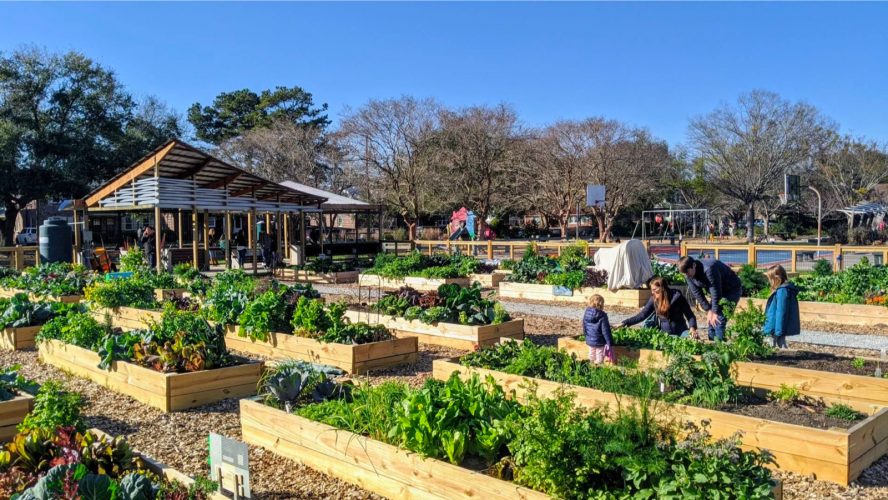
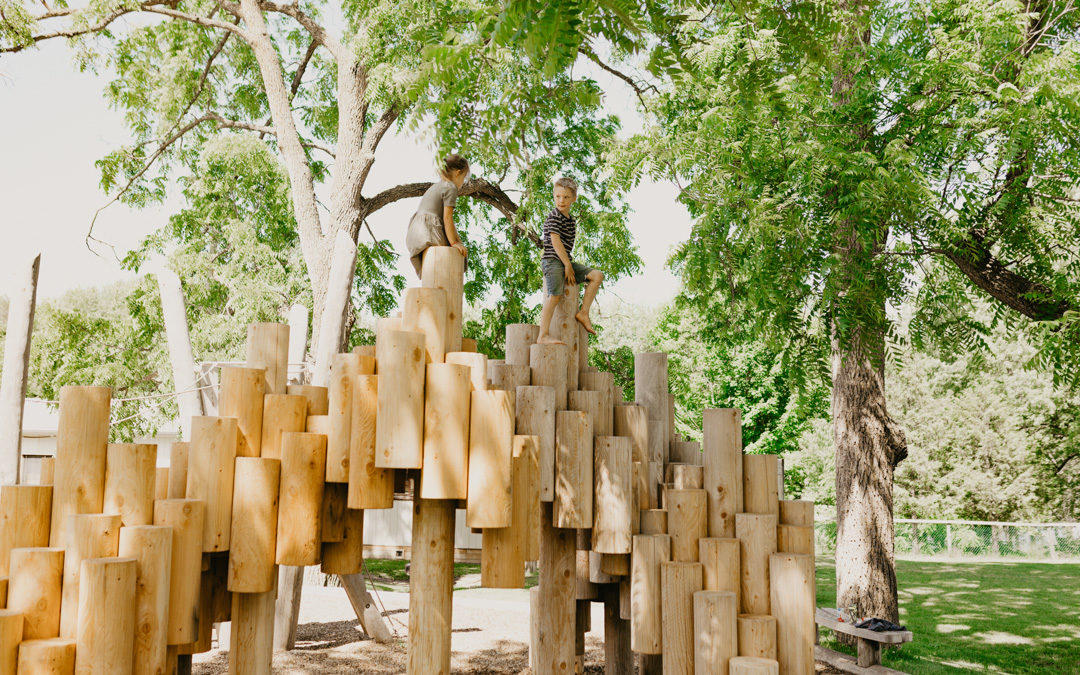
Green space is a central part of the Brar Farms design. The entrance includes a central park with a variety of family-focused features and activities that may include:
Features for all ages
Space to play sports and stay active
Comfortable gathering spaces
Grow your own fresh produce
Overlooking park for events
Sculptures and themed play structures
To further enhance the entry, Brar Farms also includes a parklet, a landscaped green space at the corner of Marshall Road and Otis avenues.
Central Park & Parklet Plan
Community Perspective
The project includes a four-acre, dual-use green space designed to function as a stormwater detention basin during the wet season and as a grassy recreational field during dry conditions. This publicly accessible space is intended to support active community use, including youth sports such as soccer, football, baseball, and other recreational activities.
Combined Open Space & Community Recreation Basin Plan
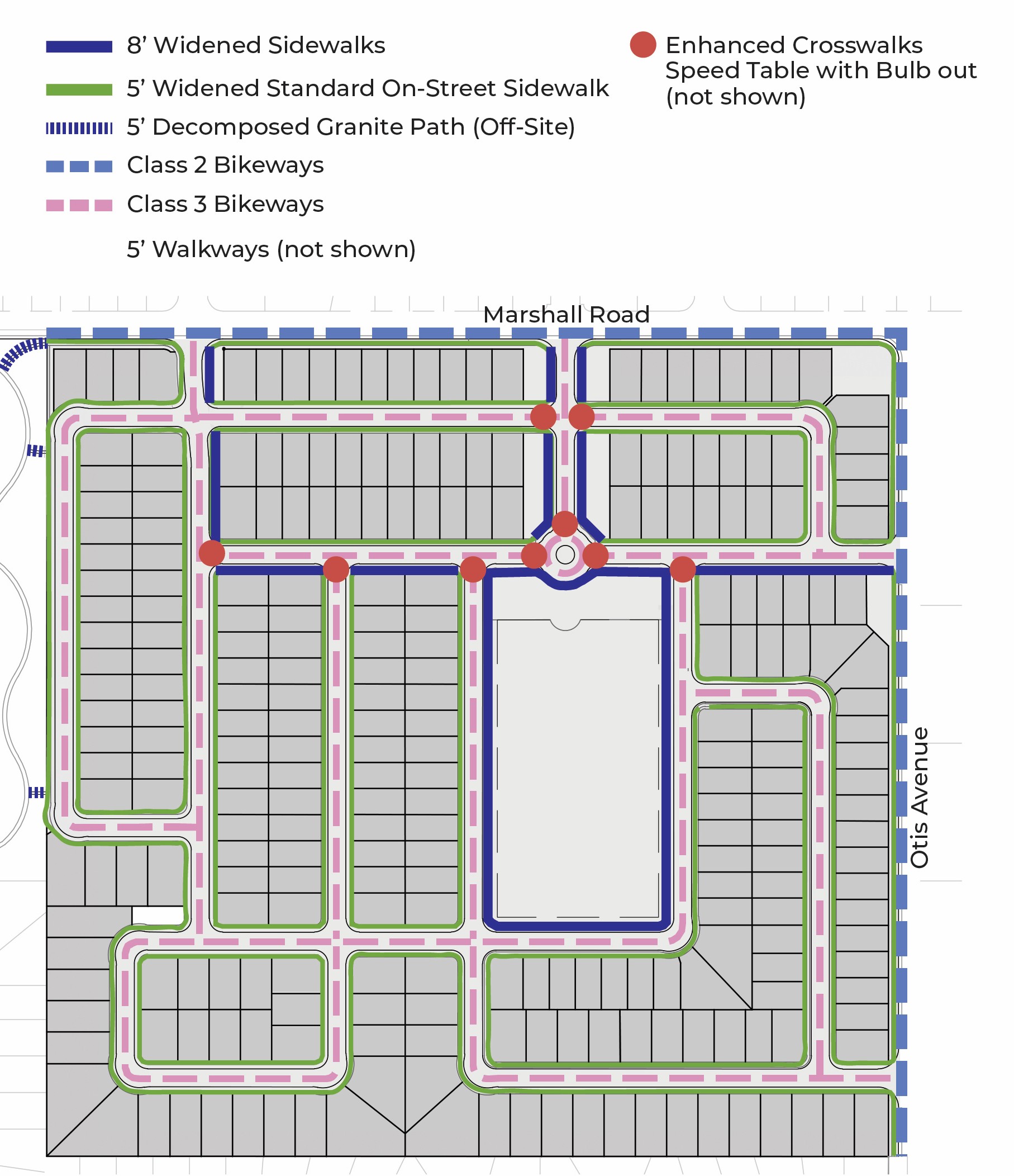
Brar Farms is designed with walkability and connections in mind for both new and existing residents.
New pedestrian paths connecting to Bridgeway Lakes basin and trail system
Featuring bike lanes on all residential streets
Landscaped, walkable streets throughout
Sidewalks on all residential streets
Multi-use walkways in some areas
Improved sidewalks along Marshall Road and Otis avenues
Circulation Map
Entry Monument, Walls, and Fences Plan
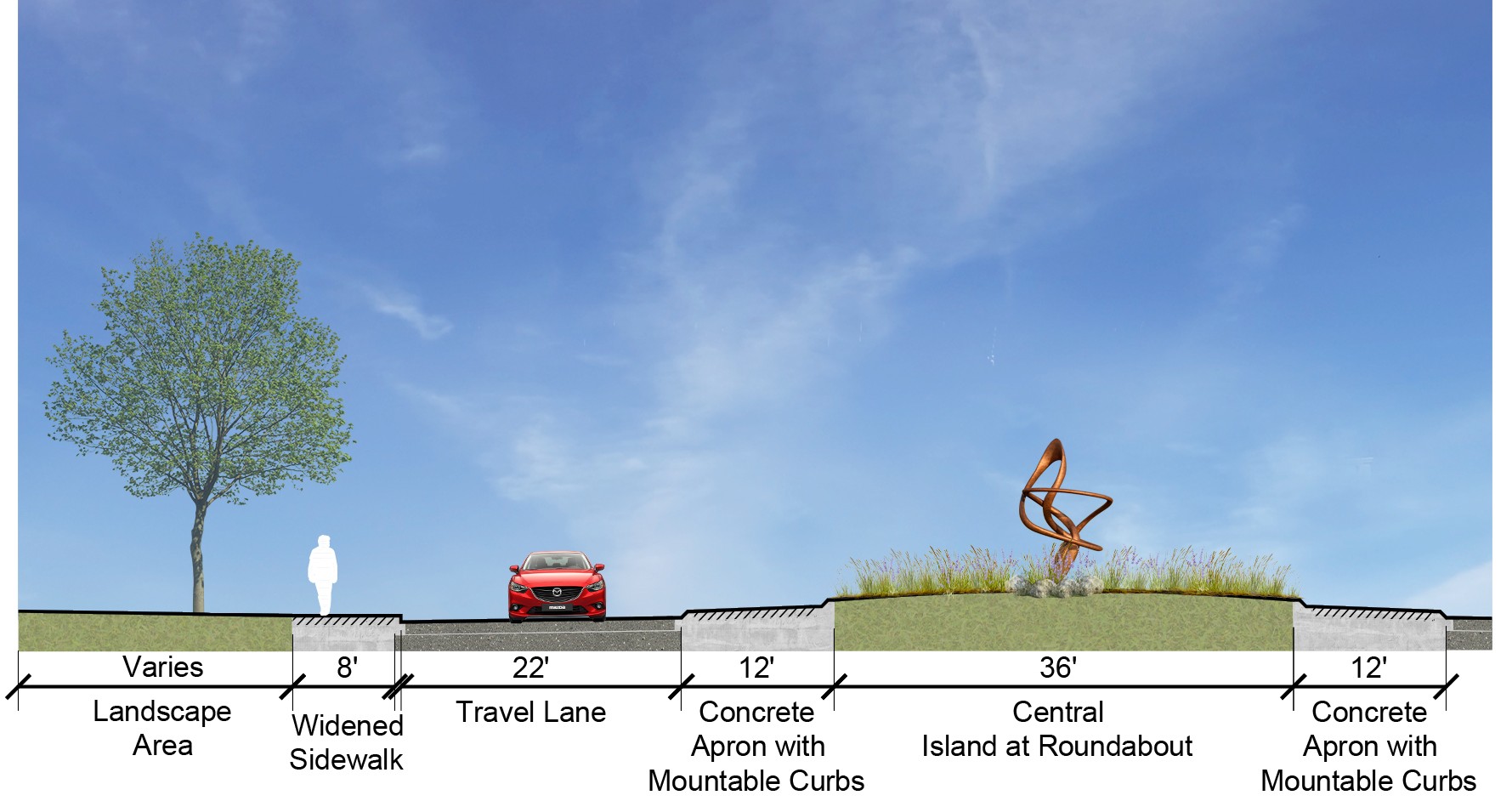
Roundabout Section
Multi-Use Path, Widened Sidewalks, and Walkways Plan
Traffic safety measures are integrated within the project and along adjacent roadways to slow vehicles, strengthen pedestrian safety, and improve overall circulation. The project includes infrastructure upgrades designed to enhance safety and traffic flow for both future residents and the surrounding community.
Sidewalks, curb, separated planter, sound wall
At main neighborhood entrance
Landscaped planter areas throughout
Intersection design to slow vehicles
Pedestrian Crosswalks
Speed Table with Bulbout
Environmental requirements and City design standards will ensure project-related impacts are avoided, where feasible, and mitigated where necessary. LSA Associates has been retained as the CEQA consultant for the environmental impact report.
Going beyond code to minimize glare
Removal of one oak tree with required mitigation via replacement or fees
Integrated within basin design for sustainable water control
6-foot walls along Marshall Road and Otis avenues
Limited light spillover into adjacent homes
Solid wood and see-through fencing where appropriate
There is a continuing need for more housing in California. West Sacramento, like the rest of the Sacramento region, is experiencing growth as it is a desirable place to live and is located near jobs and other amenities. The project is proposing to construct a high-quality residential neighborhood of market rate homes that will seamlessly integrate with the existing community.
Yes. Brar Farms will provide funding and/or construct improvements to help with traffic, safety and connectivity near the project and support a more walkable, accessible area. Upgrades to Marshall Road and Otis avenues include undergrounding utilities and adding sidewalks and bike paths. Parts of Jefferson Blvd and other nearby streets will also be improved.
The project is not designated as open space. Rather, the site is zoned residential and will have extensive park areas for recreation and sports activities.
No.
Brar Farms is proposed as a low-density project with the same housing density as the surrounding areas. The proposed zoning change to residential one family (R-1-A) allows 1.1 to 6.0 units per gross acre, the same as the residential neighborhoods north and south of the project site.
As part of the City's review, a comprehensive traffic study will evaluate existing roadway conditions and forecast project-related traffic. The study will identify any needed improvements to maintain safe and functional circulation.
Environmental requirements and City design standards will ensure project-related impacts are avoided, where feasible, and mitigated where necessary. LSA Associates has been retained as the CEQA consultant to prepare the environmental impact report.
Yes. Based on the traffic study, environmental review, and City development standards, Brar Farms will be required to construct and/or fund improvements needed to address project-related traffic impacts. Planned measures include roadway, sidewalk, curb and gutter, and bicycle facility improvements along Marshall Road and Otis avenues.
Potential impacts on parks, schools, and other public services will be evaluated in the environmental impact report. If the project adds demand for facilities, the project will pay City and school district fees to help fund improvements and capacity.
The project includes robust landscaping throughout the neighborhood—along the Marshall Road and Otis avenues perimeter, within internal streets, and around the community recreation basin. Primary trees near the park and main entry are planned with mature canopies typically 30–50 feet wide, and many residential streets will include 8-foot planter strips between sidewalks and the parking or bike lane.
Additional landscaping details are provided in the Brar Farms Design Manual (Chapter 6), which will be reviewed and approved by the City. All landscaping will comply with applicable City requirements, including water-efficient landscaping standards.
The project team is committed to open, clear, and respectful communication with neighbors and the broader community throughout the review and approval process. Community members are welcome to submit questions or comments and request a meeting with the project team. All feedback received will be reviewed and considered throughout the project's review and refinement.